
Nov 24, 2026
The Employee on the PIP Might Be Your Best Safety Ally
By Blaine J. Hoffmann, MS OSHM
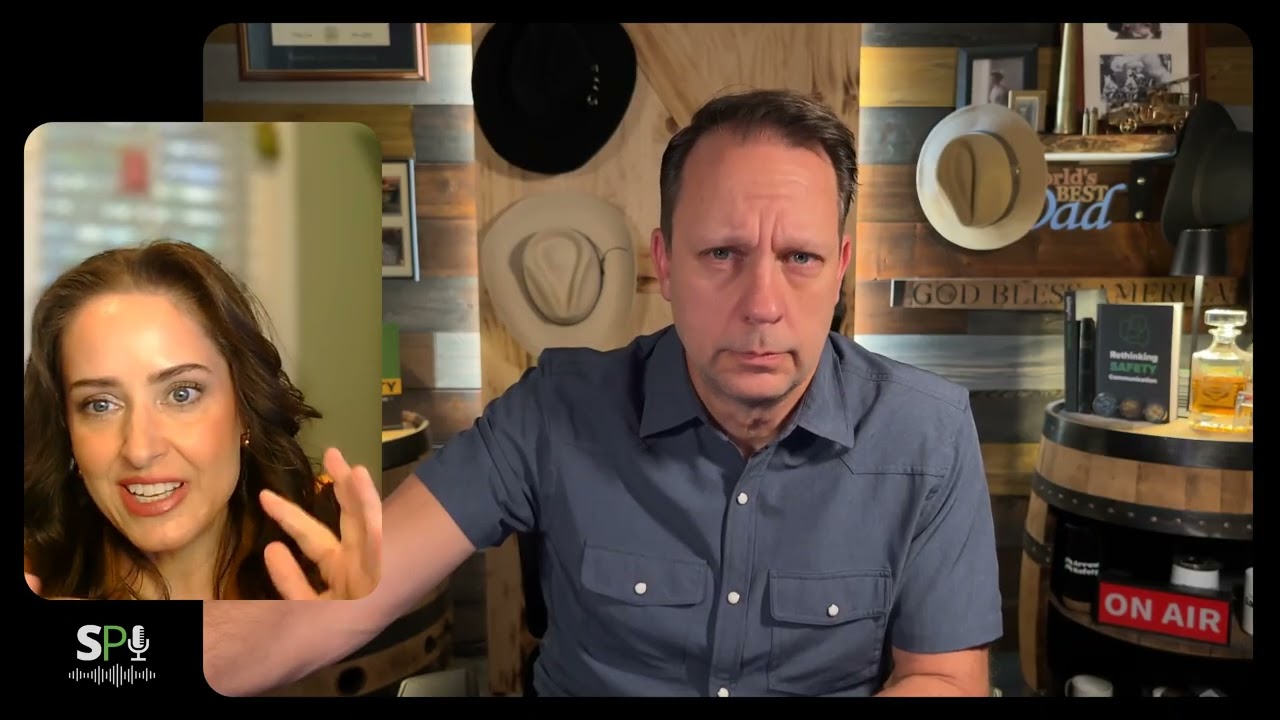
In 2004, Aron Yellott sat in an emergency room in Florida with a four-year-old, a baby on the way, and a husband who was getting sicker by the hour. He'd been exposed to something at work. He told the staff exactly what he'd done that day and who he'd treated. What got written down was his tone: demanding, irritable, loud.
Aron told that story on Episode 202 of The SafetyPro Podcast. It's hard to hear, and it's the reason she does this work.
What an incident looks like from the other side
Her husband was an anesthesia resident. The working assumption in the emergency room was his gallbladder. Surgery ran more than six hours, the source of the infection wasn't found, and after more than 20 days in the hospital, he died. "Nobody really tells you what to do," she said, "or how to respond."
Aron went back to school, earned a master's degree in environmental and chemical sciences, and went into EHS: oil and gas terminals, pulp and paper, manufacturing, and later EHS software. Today she helps companies rebuild their safety cultures, often right after a serious injury or a fatality.
Her point for Safety Pros: most of us will, hopefully, never sit where she sat. Every serious injury puts a family there. We talk about culture from the administrative level, and rarely look at it from the employee's side, from someone who doesn't know the rules and is just trying to get help.
Speaking up only works if it's safe, and if something happens
A speak-up culture has two halves. People have to feel safe enough to speak. Then the organization has to take what they say and act on it, so they can see that coming forward mattered.
Aron has seen the other version, where somewhere in the system one person treats speaking up as a risk to be managed. She has been let go for speaking up herself.
Start with the people on a PIP
When Aron walked into a company to rebuild its safety culture, her first question was: who's on a performance improvement plan? Those were her people.
The "bad actors" are often fed up with something that's broken. Some may be neurodivergent and seeing a problem they don't know how to put into words. Bring their knowledge of the operation into the safety program, and they become the ones who carry it. Out of that group, she helped develop three EHS managers, an electrical engineer and a politician.
She's realistic about the timeline, too. In a year you can change a company's climate, not its culture. The people you develop are the ones who turn that climate into culture.
This isn't a machine that broke
Five whys and a fishbone have their place. A serious incident involves people, though, and a hunt for the one defect in the process misses why the decision made sense at the time. That question is how you get to the real cause. Blame stops you short of it.
The people coming into the workforce now expect this. Psychological safety used to get dismissed as soft science. Aron's view is plain: when someone comes to work for you, you have a contract with them, and with their family.
What to take back to your site
- Walk through a recent incident from the employee's side: what did they know, and who helped them?
- Check what happens after someone speaks up. Do they hear back? Does anything change?
- Find the people who push back the most, and ask them what's broken.
- When you investigate, ask why it made sense at the time before you ask who's at fault.
The full conversation with Aron covers the rest of her story, the role leaders play, and where to find resources for developing safety leadership.