
Nov 25, 2026
The Future Safety Leader Is a Partner, Not the Safety Police
By Blaine J. Hoffmann, MS OSHM
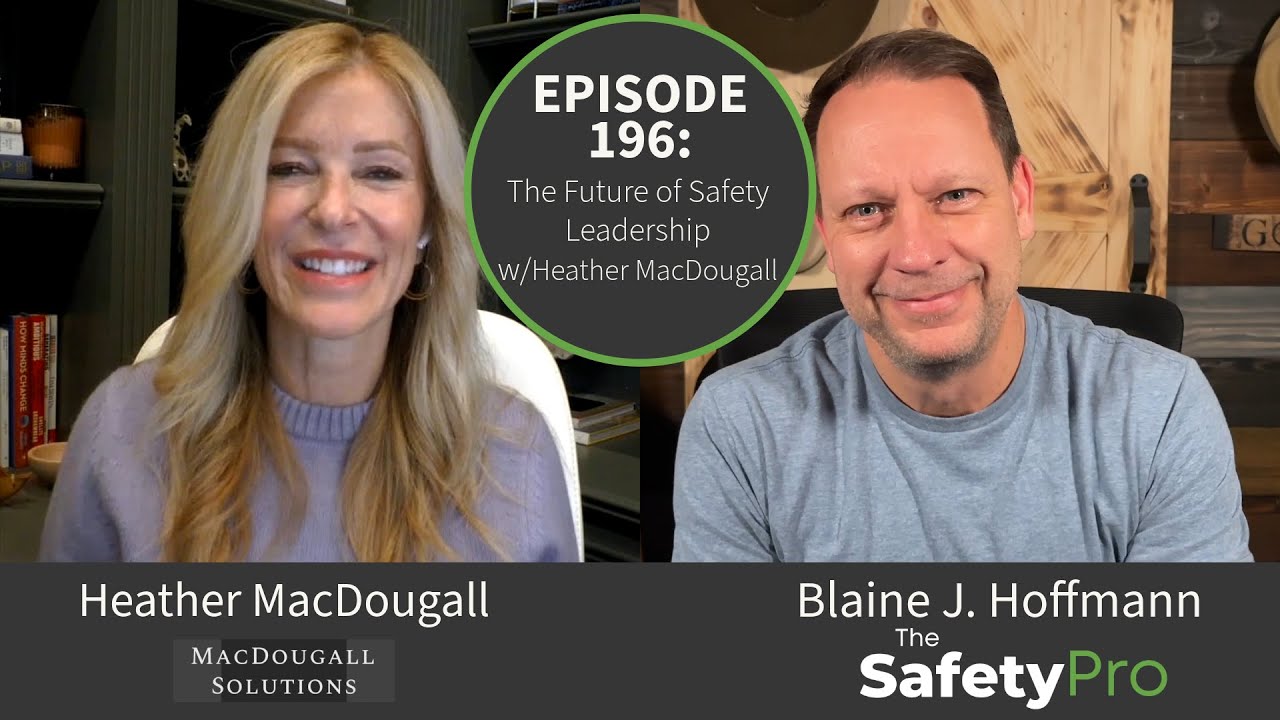
Blaine J. Hoffmann once shared a clip from a late-night show. An actor described asking Tom Cruise how he came up with a wild stunt. First, Cruise said, you go to the safety guy and tell him what you want to do, and the safety guy says you can't. And then what? "Then you go get another safety guy."
Blaine told that story on Episode 196 of The SafetyPro Podcast, which aired in December 2025, in a conversation with Heather MacDougall, a lawyer and CSP, about where safety leadership is headed. Heather started as a labor lawyer, served as counsel at the Occupational Safety and Health Review Commission, and later returned as a commissioner and then chairman. After that came Amazon, as worldwide head of workplace health and safety. When they talked, Heather was doing legal work, helping companies improve their safety programs, and helping startups focused on workplace safety technology.
Data skills, tied to people
With AI and digital systems reshaping how businesses manage risk, a strong safety leader needs more than compliance and technical knowledge, Heather said. Add fluency in data and strategic thinking, "but all of this still has to be tethered to a very human-centered leadership."
Blaine described two types every Safety Pro has worked with: the one who knows the regulations and the numbers but struggles with people, and the one everybody likes who struggles with the tools. Heather sees room for both in a safety team. The best leaders know where their own gaps are and keep working on both sides, including knowing the limits of the data.
On AI, Heather's own use at the end of 2025 looked very different from a year earlier, and Heather expects that change to compound. What still matters is explaining complex information in clear terms that build trust, and learning from the data instead of assigning blame.
Technology needs a sponsor, not just a purchase
Blaine sees new tools as a chance to spend less time fighting spreadsheets and more time on people. Blaine is also hopeful that smaller companies, with fewer resources, will find these tools more within reach.
Heather's caution: deployment of the safety technology already out there is still low, at small and large companies alike. Success takes an executive sponsor, a pilot set up to succeed, and real change management. In Heather's words, "it shouldn't just be a procurement decision."
Blaine agreed. "If you build it, they will come" doesn't work. People need to understand why the change is happening and what it means for them, and many Safety Pros, Blaine said, still lack project and change management skills.
Stop being the safety police
Heather's starting point for moving past a compliance mindset: "We can't be the safety police." Instead, become a trusted advisor to partners across the business, from operations and engineering to HR, legal and procurement.
Heather's method is regular one-on-ones with those leaders, to learn their goals, their constraints and how they define success. Ask questions to understand, Heather said, not questions asked while waiting for your turn to talk or trying to look smart. Learn the language your partners use, whether that's throughput, quality or cost, and weave safety into it. Heather would rather talk about an organizational culture that values safety than a "safety culture" off on its own.
That's the point of Blaine's Tom Cruise story: safety is often about "innovating our way into a yes." In Blaine's words, "Safety isn't why we work. Safety is how we work." Heather added: "sometimes when there is a no, it's because we as safety professionals haven't done all of our job." The partners still have questions or concerns, and often data or change management answers them.
Plan together, decide upstream
Heather pointed to research showing that serious injuries and fatalities rarely come from just the day of the incident. They typically trace back to choices made upstream, sometimes weeks or months before. So decision making matters.
From Heather's time at Amazon came a way of sorting decisions into two types. A type one decision is hard to reverse, so it gets more thought. Many are type two: move forward, and set up a way to revisit the data and change course if needed.
Heather also wants the strategic plan built with partners at least once a year, not by safety alone. Goals then tie to the plan, with owners across the organization. Budgeting becomes an outcome of decisions already made: you fund the strategy instead of asking and hoping for a yes. The partners who built the plan belong in the regular business reviews too, so a roadblock is a shared problem.
Compliance is the floor
Many OSHA regulations are 40 or 50 years old, Heather noted, and rulemaking takes years. In Heather's view, compliance is the floor, and most organizations are reaching higher. Heather sees plenty of development resources for Safety Pros, and points to roundtable and benchmarking groups where you bring real questions and hear what other organizations are doing.
Blaine's version: own your career development, because nobody is going to hand it to you.
Asked to sum up the future of the profession, Heather put it as a question: "how do we become systems thinkers?" Safety goals and business goals are connected, and the work is getting more complex.
What to take back to your site
- Set regular one-on-ones with your main partners and ask about their goals, constraints and how they measure success.
- Before you say no, check whether you've answered their questions and concerns, with data if you can.
- Before buying a safety tool, find an executive sponsor and a plan for the pilot and the change.
- Build next year's safety plan with your partners, give each goal an owner, and bring those partners into the reviews.
- Join a roundtable or benchmarking group and bring a real question.
The full conversation with Heather covers more on AI tools, how to frame decisions, and where to find development resources for Safety Pros.